
Upscale Style on a Shoestring for Micro‑Apartments

Today we dive into budget-conscious upgrades that deliver an upscale look in micro-apartments, focusing on clever finishes, rental-friendly tweaks, and small-space illusions that feel bespoke. Expect practical checklists, real-life anecdotes, and ideas you can try this weekend without blowing your savings. Share your measurements in the comments, ask questions about tricky corners, and subscribe for weekly, proven strategies that make tiny spaces feel gracious, polished, and unmistakably yours.
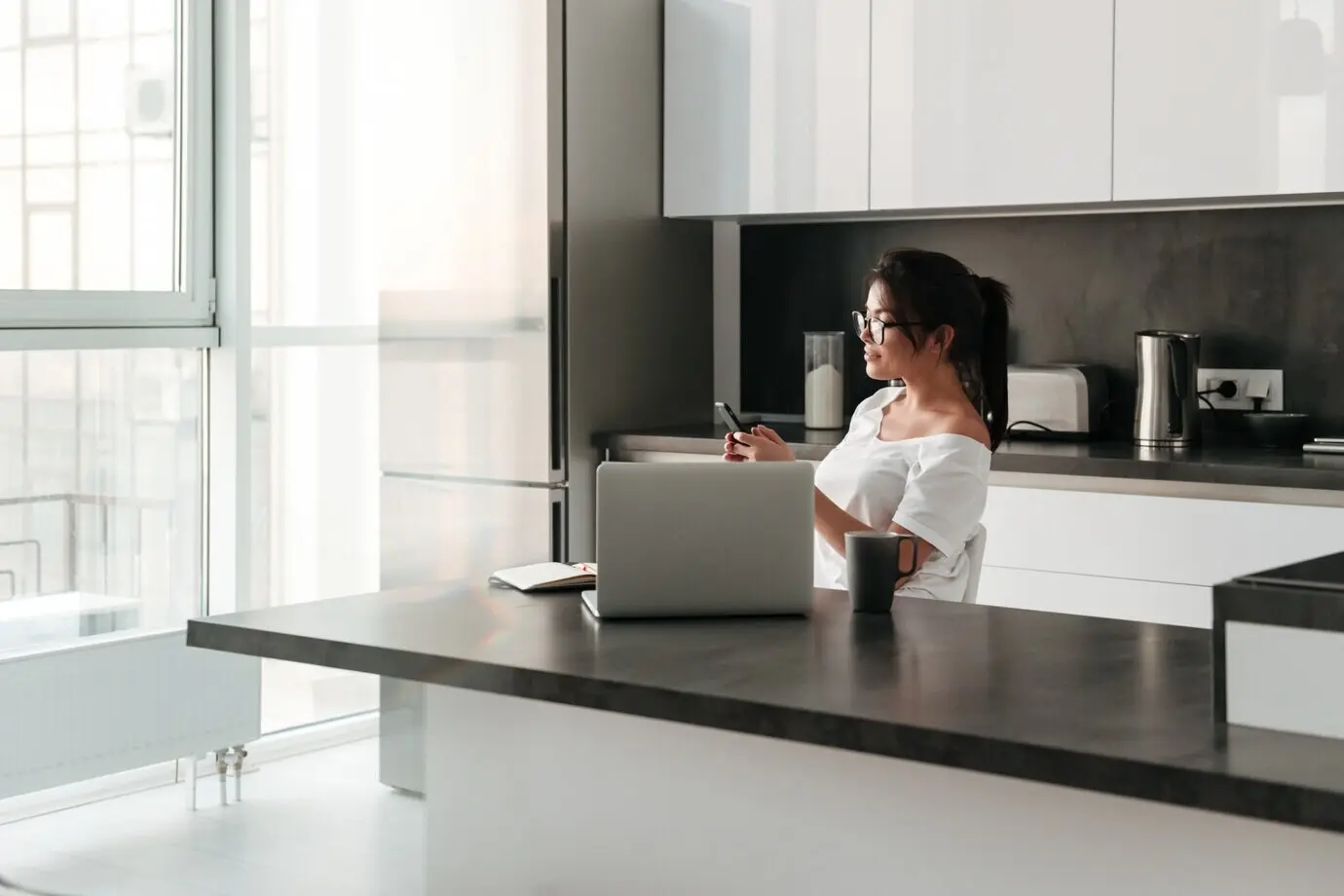
Layered lighting that flatters every corner
Think in layers: ambient for general glow, task for work surfaces, and accent for sparkle. Swap harsh overheads for warm LED bulbs and add a slim plug-in sconce beside the sofa. A small, dimmable uplight behind a plant creates depth without clutter, while a fabric shade softens shadows for that soft, boutique-hotel quality in a tiny footprint.

Color strategy that stretches walls
Choose a calm, low-contrast palette so edges blur and the eye reads a greater expanse. Paint walls and trim the same tone to erase visual breaks, then reserve a deeper shade for one architectural element. A satin finish reflects just enough light to feel refined, while color continuity between furniture and walls makes compact pieces read larger and calmer.
Storage That Performs Like Art
Floating shelves with gallery discipline
Mount shelves at consistent heights and widths so they visually stack as one composed element. Style each shelf with fewer, larger objects—think a vessel, a book stack, and a framed print with generous breathing room. Add an LED strip beneath for a soft halo that elevates humble materials, making practical display feel like an understated installation.
Under-bed and vertical zones that disappear visually
Choose low-profile storage boxes in the same color as your flooring or bed frame so they recede. For vertical space, mount a shallow peg rail and paint it wall color, letting hats, totes, and scarves arrange as quiet texture. This strategy clears surfaces while keeping essentials reachable, and the tone-on-tone approach prevents a busy, utility-room vibe.
Multipurpose furniture with upscale profiles
Opt for a slim console that flips to a dining table, or a nesting coffee table set with elegant, continuous lines. Look for uniform hardware and tapered legs to suggest refinement. When a piece transforms smoothly, guests notice the choreography rather than the compromise, and your square footage behaves like a considerate, adaptable host rather than a constraint.
Materials That Look Luxe, Cost Less
Achieve high-end texture without high-end invoices by prioritizing believable finishes, touchable surfaces, and consistent details. Quality peel-and-stick stone patterns, linen-look wallpapers, and matte cabinet films dramatically change perception. Add weighty pulls and quiet door closers, and the hand informs the eye: what feels solid reads expensive. Invest in small contact points; reap sweeping visual dividends.
Scale, Proportion, and Visual Order
A small home feels sophisticated when proportions signal intent. Use fewer, larger pieces with clear silhouettes rather than many miniatures. Align edges, repeat widths, and maintain generous margins on surfaces. This visual order builds trust: the room appears designed, not assembled piecemeal. When scale and repetition click, even budget elements inherit a composed, architectural presence.
Fewer, larger pieces for calm authority
Replace three tiny side tables with one substantial piece that anchors the seating area. Pair a tall plant with a floor lamp of similar height to form a commanding duo. Oversized art trimmed with a thin frame reads confident, not overwhelming, especially when colors are restrained, letting your limited square footage communicate clarity rather than clutter.
The rule of lines: align, repeat, simplify
Choose a consistent shelf width and echo it in the sofa length, rug width, and curtain rod. Align the top of frames and mirrors so horizontals feel deliberate. Repeating a dimension visually stitches objects together, helping the brain process the room quickly. That rapid readability feels refined, as if an invisible grid were guiding every decision.
Negative space as a luxury signal
Leave empty stretches of wall and tabletop so your best pieces breathe. Slide furniture a few inches off walls to create shadow lines, suggesting architecture instead of tight necessity. Even a compact entry benefits from a clear landing zone. The restraint communicates confidence, a quality often associated with high-end interiors where every inch is not overburdened.

Curtains hung high, pooling barely
Mount rods near the ceiling and extend them several inches beyond the window frame to widen perceived glass. Let panels kiss the floor for a tailored finish, and line them to block harsh streetlight. Even affordable panels look elevated when they stack neatly and match the wall tone, functioning like soft architecture rather than mere window dressing.

Rugs that zone, soften, and coordinate
Select a rug that fits under front sofa legs and extends into the room, creating a coherent island for seating. Choose a low-contrast pattern that hides crumbs without shouting. Layer a small sheepskin over a chair to vary texture. These moves control acoustics, define boundaries, and quietly tie mismatched pieces into a considered, livable composition.

Art, Greenery, and Personal Narrative
Character elevates even the tiniest footprint. Frame personal photographs with wide mats, add a small sculpture with interesting patina, and introduce plants that thrive in your light. These elements tell a story, persuading visitors the apartment reflects a discerning perspective. With mindful editing, meaning outranks quantity, projecting warmth and depth without overcrowding precious inches.
Anchor one large piece at eye level, then complement it with two smaller works aligned along a common axis. Use matching frames or finishes for cohesion. Keep the palette tight so the arrangement reads as a single statement. This clarity feels sophisticated and makes affordable art feel important, like it belongs in the composition rather than filling gaps.
Choose species with structural leaves—rubber plant, ZZ, or sansevieria—to draw bold verticals in corners. Elevate smaller plants on matching stands to unify heights. Terracotta or matte ceramic pots add understated gravitas. The gentle maintenance ritual imparts hotel-like freshness daily, while the sculptural greenery adds depth, shadow, and a hush that reads resolutely upscale and calm.
Backsplashes and counters you can undo
Apply heat-resistant, removable tiles with a grout-line pattern that matches real proportions. For counters, choose a durable vinyl film in a quiet stone look, squeegeeing edges for a seamless finish. Add a narrow cutting board bridge over the sink to extend workspace. Everything peels away cleanly, but while installed, the visual effect rivals custom millwork impressions.
Fixtures and accessories with cohesive finishes
Match faucet, cabinet pulls, paper holder, and towel hooks in one finish only. Even if pieces are inexpensive, uniformity creates an instant boutique vibe. Swap mismatched soap bottles for a labeled amber set and hide spares in a lidded bin. The consistent sparkle reads deliberate, giving tiny rooms a collected, gallery-like precision without costly replacements.
All Rights Reserved.